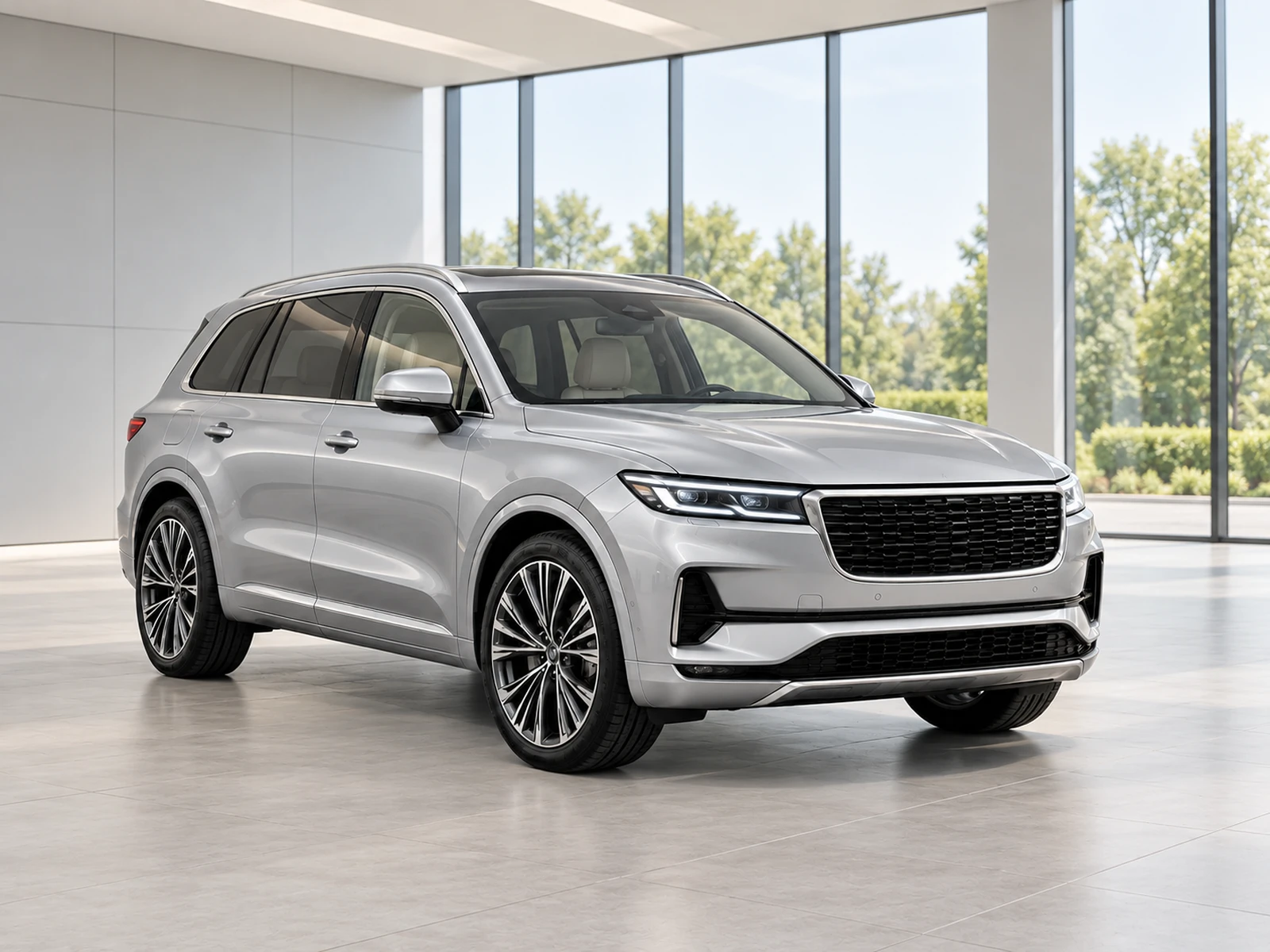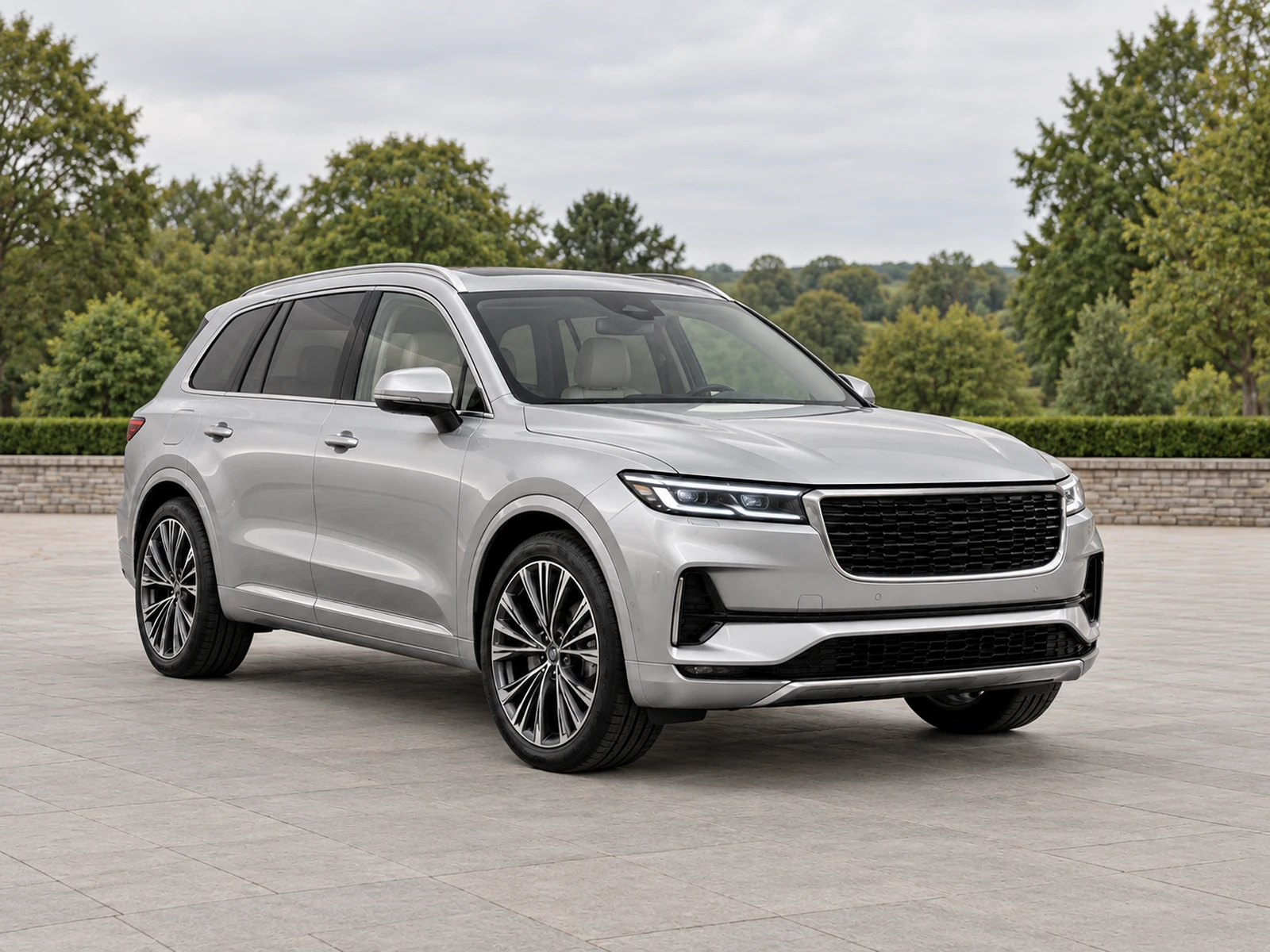
A wet forecourt changes reflections, tyre contact and the look of paint. Plan a repeatable capture routine that works with the conditions available instead of assuming an editor can remove every sign of the weather.
Choose the capture bay deliberately
Use a safe, level area with enough space to move around the vehicle. Check puddles and reflective patches before beginning the sequence. Strong reflections under one side of the car can make the source harder to match with a dry showroom floor. If a sheltered bay is available, test whether it produces a more consistent set without losing readable body and cabin detail.
Keep the source evidence clear
Inspect the saved image for water obscuring glass, wheel detail or visible condition. Clean or retake where necessary rather than relying on generated reconstruction. A soft overcast sky can be useful, but low light still requires a stable phone and a check for blur. Keep the original photographs associated with the stock record throughout editing.
Select a compatible presentation
Compare a neutral studio and a restrained outdoor environment with the same clear source. Check whether reflections and contact shadows remain believable. Avoid approving changed paint or equipment simply because the background now looks dry and tidy. The best setting is the one that supports the actual photograph and your gallery standard, not a dramatic scene chosen to distract from an inadequate source.
Complete the publishing check
Review the resulting lead image and full gallery in the actual stock platform. Confirm that the vehicle is not clipped by its mobile crop and that wet-weather retakes have replaced the intended sources rather than been added as confusing duplicates. Keep a clear lead-view convention so weather-driven changes do not make the whole stock gallery inconsistent.
Your dealer checklist.
- Choose a level bay away from distracting puddles.
- Check glass and small details in the saved file.
- Retake blurred or obscured sources.
- Compare the new floor with original reflections.
- Review the final mobile listing crop.
Common questions.
Should wet-weather photos always be replaced?
No. Use clear source evidence and judge the final presentation. Some clean outdoor captures are useful without a new background.
Can a dry showroom edit hide relevant condition?
It should not. Compare visible wear with the original and retain separate condition photographs where needed.
Put the next vehicle in a better setting.
Explore MotorBackdrop’s showrooms, prepare one sample and review your vehicle’s details before finishing the set.
Explore your next photo shoot ↗