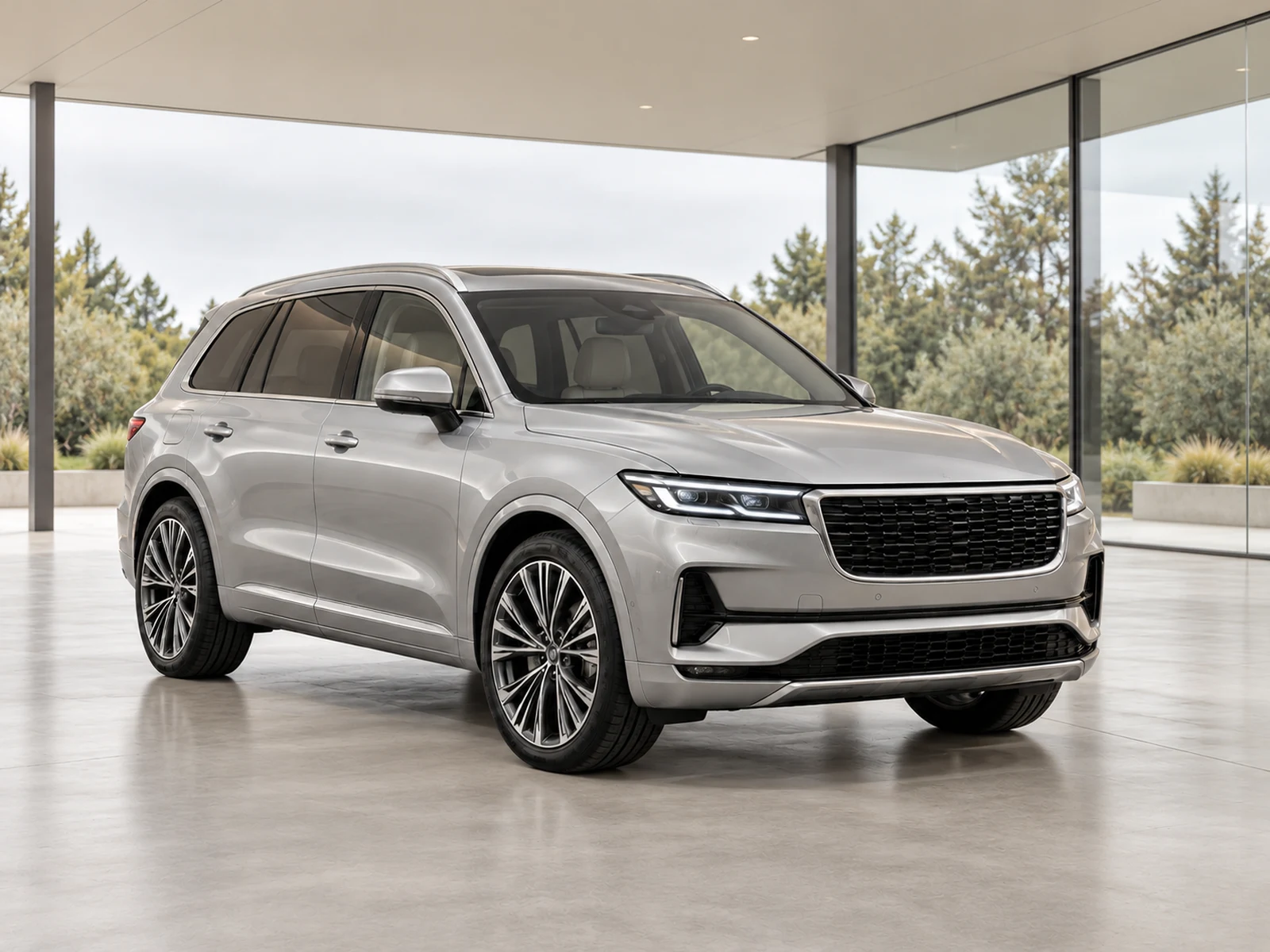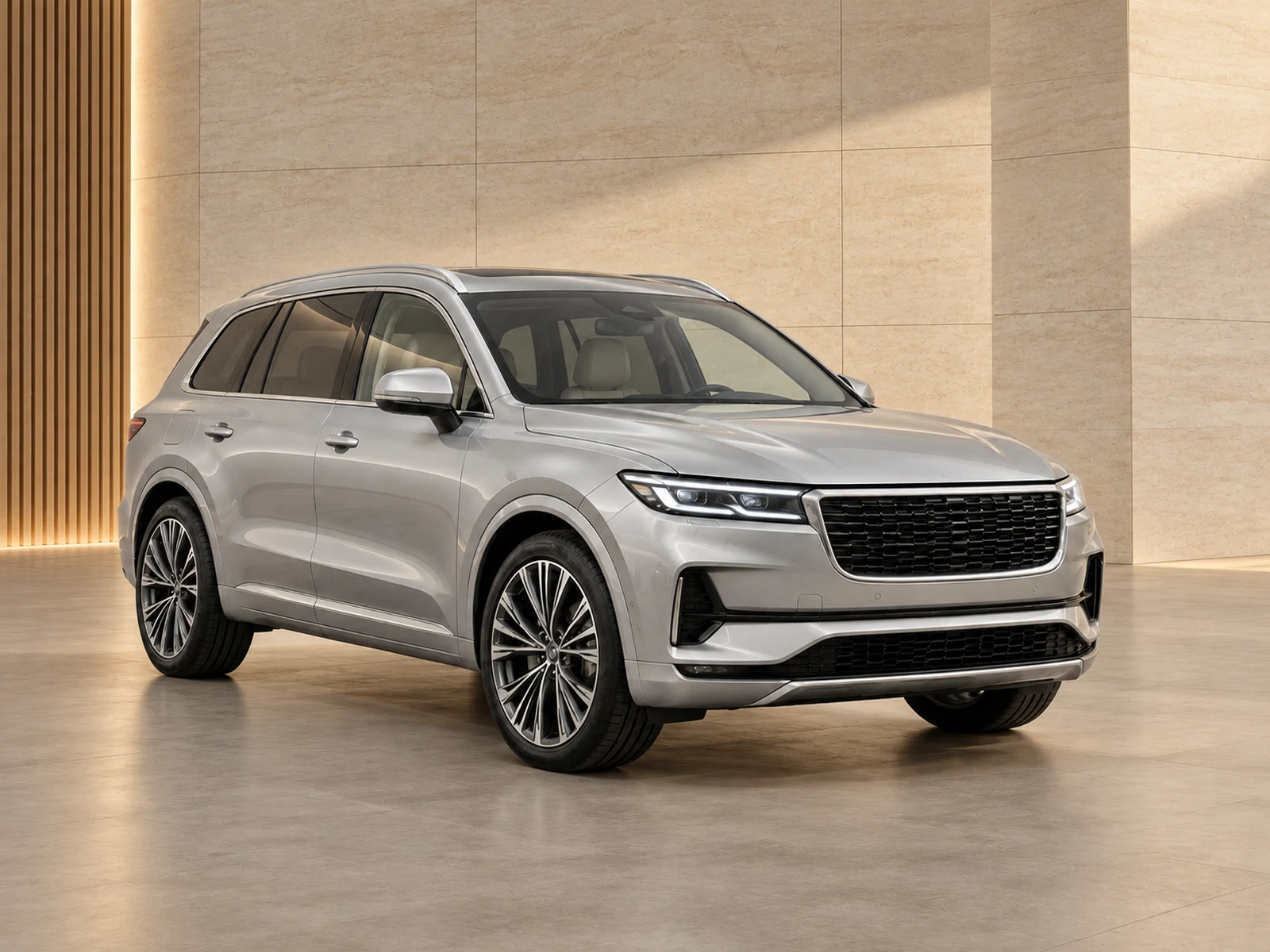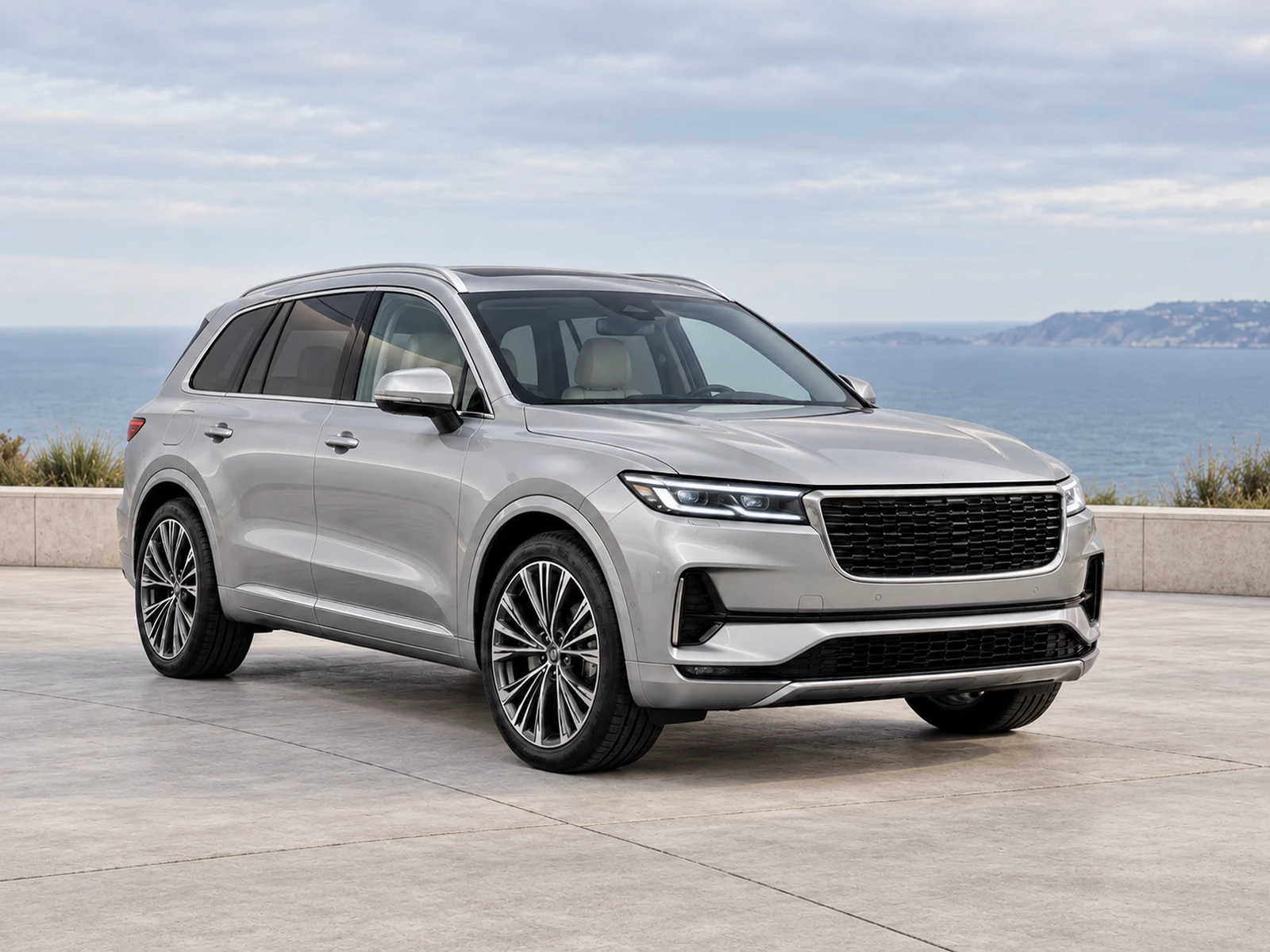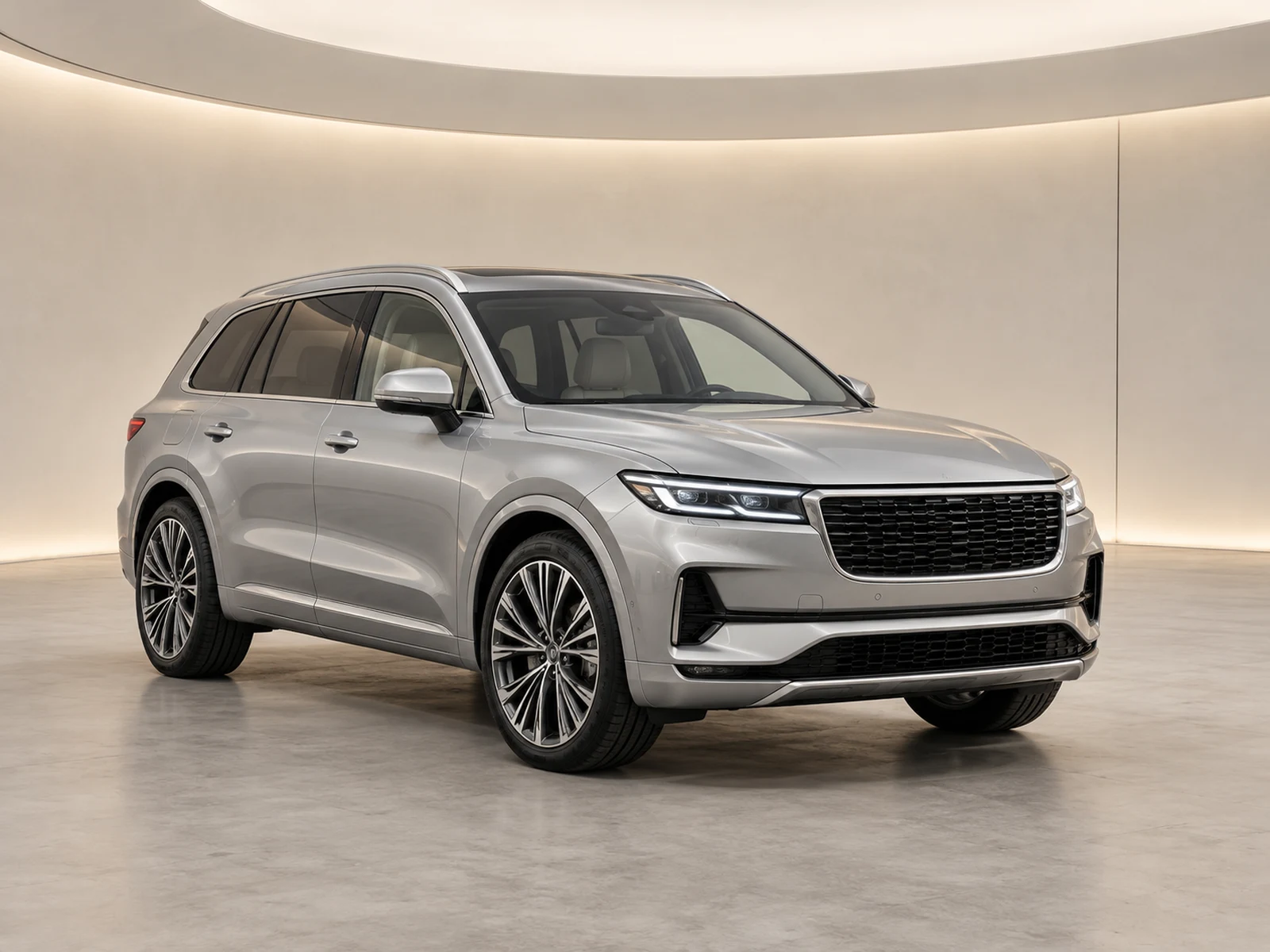
A repeatable photography standard is more useful than one exceptional hero image. Decide what every vehicle listing must show, then build a capture and review routine your team can repeat on a busy day.
Define the minimum set before shooting
Write the required views in the order the photographer should take them: front three-quarter, front, opposite three-quarter, both sides, rear, cabin and relevant details. Adapt the list for your stock rather than treating one sequence as universal. A van may need cargo-space evidence; a convertible may need roof-up and roof-down views. Give each exception an explicit place so it is not forgotten.
Control the parts of capture you can repeat
Choose a safe, level bay and mark a camera position that leaves space around your largest normal vehicle. Keep lens height and distance consistent for comparable views. Turn the vehicle or move around it as needed, but preserve complete bodywork in the frame. Avoid placing another stock vehicle directly behind glass or along the body edge, where separation becomes harder.
Give editing a limited job
Use editing to improve presentation, not to establish specification or hide condition. A showroom background can reduce visual clutter, but it cannot reliably reveal a wheel design lost in blur. Retake an inadequate source before processing the set. Compare a sample with its original at full size and check paint, equipment, badges and visible wear before accepting a default style.
Define a publishing handover
Name the project with an unambiguous stock reference and assign someone to approve the final listing. The handover should include the checked image set and the intended lead photo, rather than an unexplained folder. After uploading, open the customer-facing page to check that the platform has not cropped the vehicle, changed the image order or attached another vehicle’s photographs.
Your dealer checklist.
- Write a capture sequence with stock-specific exceptions.
- Choose a level bay and repeatable camera distance.
- Retake unclear or clipped sources before editing.
- Assign one reviewer for vehicle accuracy.
- Inspect the published listing after upload.
Common questions.
How many photos should every car have?
Use enough actual views to explain the vehicle’s exterior, cabin, equipment and condition. The right count depends on the vehicle and your sales channels.
Can a background editor replace a capture process?
No. It can improve the environment around a clear photograph. Capture quality and a reliable vehicle-reference system still determine whether the set is useful.
Put the next vehicle in a better setting.
Explore MotorBackdrop’s showrooms, prepare one sample and review your vehicle’s details before finishing the set.
Explore your next photo shoot ↗